Blog
Emerging and Hidden Drug Trends: Fentanyl
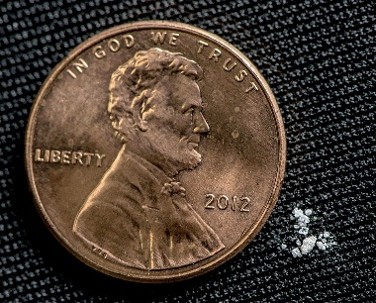
L.A. CADA wants you to know that the drug epidemic in America is constantly changing, and fentanyl is still a huge threat. Here's what you need to know about fentanyl.
- What is Fentanyl?
Fentanyl is a synthetic opioid that is 50 times stronger than heroin. It was created in 1960 by a Belgian chemist who was searching for a painkiller more potent and faster-acting than the options available at the time. The drug went on to reshape surgery, pain management, and eventually the landscape of drug addiction. - What does Fentanyl look like?
In the street market, fentanyl appears as a white, gray, or tan powder. It can be injected, smoked, or snorted. Fentanyl is commonly found mixed into other drugs, such as heroin, meth, cocaine, and pressed pills. Most people do not know they are taking it, and that's why it's so risky. - What does Fentanyl do?
Fentanyl produces an intense rush of euphoria, profound relaxation, and heavy sedation. Symptoms include nodding off, confusion, and disorientation. Symptoms of fentanyl overdose include very small (pinpoint) pupils, slow or shallow breathing (or not breathing), gurgling or choking noises, cold, clammy skin, blue or purple lips and nails, a limp body, and a slow or weak pulse. - How can Fentanyl harm me?
Fentanyl is 50 to 100 times stronger than morphine, making the high much more intense and the risk of a fatal overdose exceptionally high, even in tiny amounts. The extreme potency of fentanyl can quickly turn into life-threatening respiratory depression and overdose. As little as 2 milligrams (see photo above) can kill. When it's mixed into other drugs, you won't even know it's there. - How is it treated?
Call 911. If you have naloxone, give it as quickly as possible. This medicine can reverse the effects of an overdose if it's given soon enough. Follow the instructions that come with the medicine. You can give naloxone even if you're not sure the person has overdosed because it won't hurt them. Stay there until help arrives and try to keep the person awake and breathing. Perform rescue breathing if needed. Place the person on their side to help prevent choking and help them breathe. - Bottom Line:
Addiction continues to be a major public health concern, and drugs such as fentanyl aren't helping. If you or someone you love needs drug treatment, give L.A. CADA a call at (562) 923-0676. We're here for you.
Emerging and Hidden Drug Trends: Kratom
L.A. CADA wants you to know that the drug epidemic in America is constantly changing. Kratom has been in the news lately due to the deaths of two University of Mississippi students who had it in their possession. We covered this drug last month, and we're doing it again, because it's that important. Here's what you need to know about Kratom.
- What is Kratom?
Kratom comes from a plant in the coffee family that is native to countries like Thailand, Indonesia, and Malaysia. The problem is with Kratom 7-OH, because it's much more serious and potentially dangerous. Often called '7-Hydro' or 'gas station heroin', it's a very strong chemical that behaves like an opioid. Scientists take the small amount of 7-OH from the plant and then create more of it. This concentrated 7-OH is added to products like drinks, gummies, and powders to make them much stronger. In fact, the FDA recently reported that 7-OH can be 13 times more powerful than morphine. This makes its use incredibly risky. - What does Kratom look like?
Kratom can be found at gas station stores, vitamin shops, and stores that sell CBD products. These products usually have bright, eye-catching packaging and kid-friendly flavors like pineapple, strawberry, and lemon. - What does Kratom do?
In low doses, it increases energy, alertness, and physical stamina, causing talkativeness, similar to mild stimulants or ADHD medications. In high doses, Kratom 7-OH binds to the brain's opioid receptors, creating feelings of euphoria, deep relaxation, calmness, and reduced anxiety. It dulls physical pain and can lead to drowsiness or sedation. Side effects include nausea, vomiting, itching, dry mouth, constipation, high blood pressure, and in severe cases, seizures, liver damage, or respiratory depression. - How can Kratom harm me?
Overdose can result in death. The Food and Drug Administration (FDA) has not approved Kratom and warns against its use. People can develop physiological dependence to Kratom 7-OH if they use it repeatedly and for several days in a row. Physiological dependence means that someone has developed an increased tolerance for the drug, so they need to use more to get the desired effect. They may experience physical withdrawal symptoms if they suddenly stop using. Several cases of psychosis resulting from use of Kratom have been reported, where individuals exhibited psychotic symptoms including hallucinations, delusion, and confusion. - How is it treated?
Kratom overdoses should be treated as opioid overdoses, including the administration of naloxone, followed by immediately calling 911. - Bottom Line:
Addiction continues to be a major public health concern, and drugs such as Kratom aren't helping. If you or someone you love needs drug treatment, give L.A. CADA a call at (562) 923-0676. We're here for you.
Emerging and Hidden Drug Trends: Xylazine
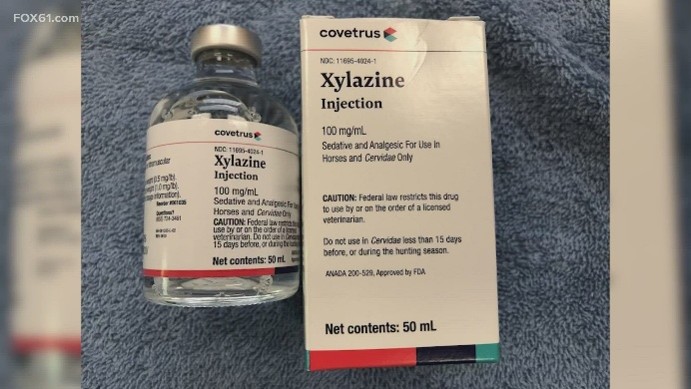
L.A. CADA wants you to know that the drug epidemic in America is constantly changing. Here's what you need to know about the emerging illegal drug called Xylazine.
- What is Xylazine?
Xylazine, often called 'Tranq' or the 'zombie drug', is a non-opioid animal tranquilizer that is increasingly mixed with fentanyl for sale on the streets. It's not intended for human use. Dealers mix it into illegal drugs like fentanyl to make the high last longer, and most users don't even know they're taking it. - What does Xylazine look like?
On the streets, the drug's physical form can vary depending on its preparation and use. Most commonly, xylazine is encountered in two main forms: a clear or slightly yellow liquid solution and a white crystalline powder. The liquid form is often used for injections, while the powder form serves as the raw compound before being dissolved or processed into street drugs. - What does Xylazine do?
Xylazine slows body functions, lowering blood pressure, heart rate, and breathing to dangerous levels. It causes extreme sleepiness, confusion, and memory loss. Xylazine can enhance the effects of opioids, increasing the risk of fatal overdose when used in combination with them. - How can it harm me?
Xylazine can cause physical dependence and tolerance with repeated use, leading to withdrawal symptoms when stopped. This drug also tends to cause large, painful skin ulcers and gruesome open wounds, even on parts of the body not used for injection. - How is it treated?
Naloxone will not reverse the effects of xylazine. However, because xylazine is often used with opioids like fentanyl, naloxone should still be given. It's important to call 911 since the effects of xylazine may continue after naloxone is given. First responders have reported that rescue breaths are especially helpful for people who have used xylazine to address slow breathing. To give rescue breaths to adults, make sure the person's airway is clear; place one hand on the person's chin, tilt the head back, and pinch the nose closed. Place your mouth over the person's mouth to make a seal and give two slow breaths. Watch for the person's chest (but not the stomach) to rise and follow up with one breath every 5 seconds. - Bottom Line:
Addiction continues to be a major public health concern, and new drugs such as Xylazine aren't helping. If you or someone you love needs drug treatment, give L.A. CADA a call at (562) 923-0676. We're here for you.
Emerging and Hidden Drug Trends: Cychlorphine
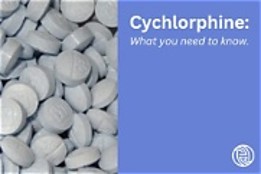
L.A. CADA wants you to know that the drug epidemic in America is constantly changing. There's a new threat on the streets of L.A. County. Here's what you need to know about Cychlorphine.
- What does Cychlorphine look like?
Cychlorphine is an uncontrolled drug and doesn't have a single, recognizable look. It's manufactured as a synthetic chemical powder and rarely sold in its pure, unmixed form. In illicit drug supplies, it typically appears as a white, off-white, or brownish-white powder. It is frequently pressed into fake, look-alike prescription tablets and has been found disguised as Oxycodone, Percocet, and Xanax. You may not know you're taking it because it's often mixed with or hidden inside other illicit substances like fentanyl, cocaine, methamphetamine, or heroin. - What does Cychlorphine do?
Cychlorphine acts on opioid receptors in the brain, leading to euphoria, relaxation, and pain relief. Like other opioids, it can lead to dependence and abuse. This powerful synthetic opioid belongs to a class of drugs called orphines, first developed in the 1960s as a stronger painkiller for conditions like bone cancer. Side effects include extreme drowsiness, sedation, dizziness, confusion, nausea, vomiting, constipation, and pinpoint pupils. - How can Cychlorphine harm me?
It can cause slowed or stopped breathing, blue or gray lips and fingertips, unresponsiveness or unconsciousness, and gurgling or choking sounds. Cychlorphine may interact with other drugs and alcohol to suppress the central nervous system and cause respiratory distress. - What can be done to help?
Call 911. Cychlorphine is a strong drug that can require multiple doses of Narcan (naloxone) for reversal to be effective. Naloxone needs to be administered before brain swelling occurs, according to Lewis Nelson, MD, a medical toxicologist at Florida Atlantic University's Charles E. Schmidt College of Medicine. - Bottom Line:
Opioid addiction continues to be a major public health concern, and new drugs such as Cychlorphine aren't helping. If you or someone you love needs opioid treatment, give L.A. CADA a call at (562) 923-0676. We're here for you.